Mastering Marine Construction: Engineering and Building World-Class Seawalls, Docks, and Boat Lifts
Marine construction requires a comprehensive grasp of multiple critical factors. Regulatory requirements, environmental factors, and material choices each play significant roles. Achieving successful outcomes depends on mitigating corrosion and ensuring structural integrity. Emerging approaches show promise, though obstacles remain. How can builders effectively integrate sustainability while maintaining functionality? These insights may transform the standards of the industry.
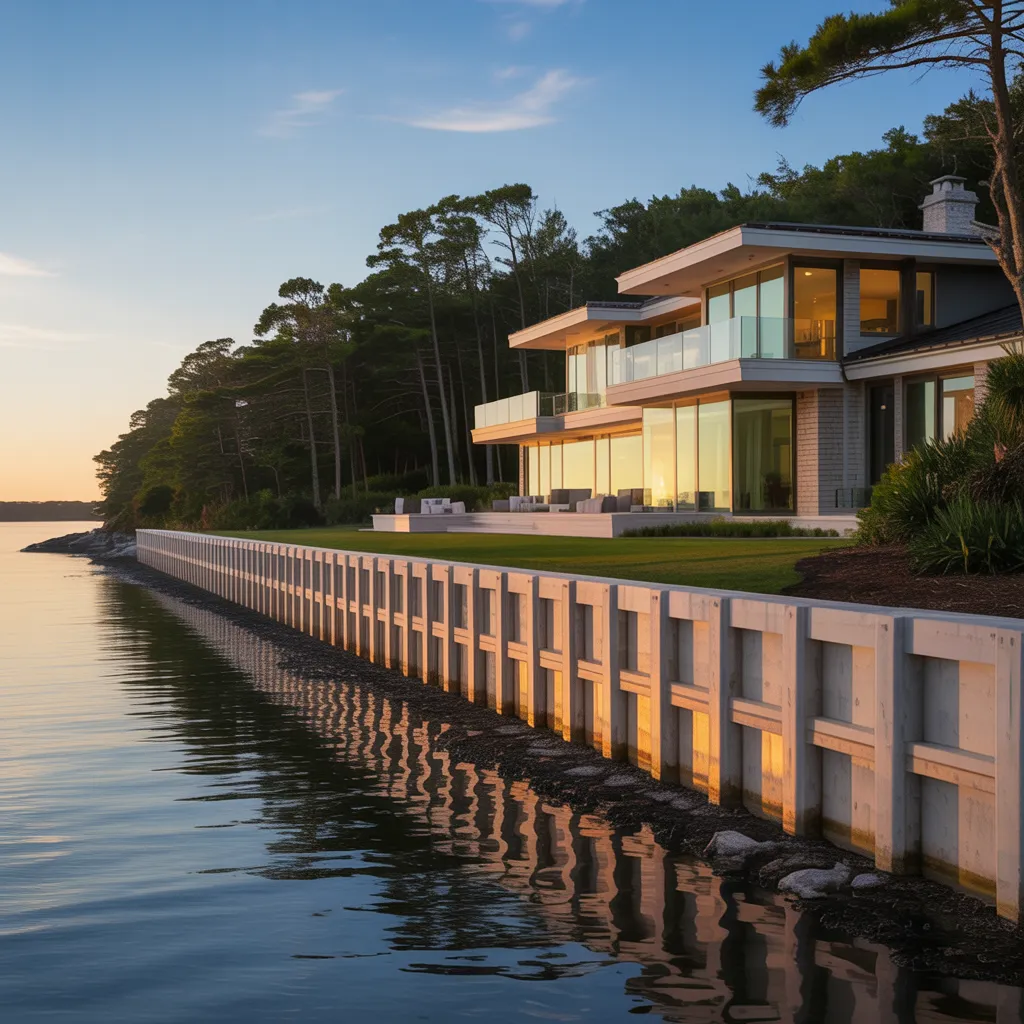
Understanding Marine Ecosystems: Key Considerations to Evaluate
Coastal and marine settings introduce distinct challenges and factors for construction endeavors. Factors such as tidal variations, wave action, and currents considerably influence design and installation processes. The salinity of seawater can lead to accelerated corrosion of materials, necessitating careful selection of construction techniques and protective measures. Moreover, the movement of sediment and ongoing erosion can affect the durability of structures including docks and seawalls, calling for detailed site analyses ahead of construction.
Environmental regulations also serve an important function, necessitating adherence to standards designed to protect ocean ecosystems. This involves accounting for nearby wildlife habitats and water conditions throughout the planning phase. Furthermore, access for construction crews and equipment can be limited in marine settings, introducing additional challenges to project execution. In summary, being aware of these essential factors is essential for successful marine construction, guaranteeing that all structures remain safe, durable, and environmentally responsible.
Which Materials Are Ideal for Docks and Seawalls?
Picking the appropriate options for marine structures is vital for guaranteeing long-term performance and reliability. Multiple options are available, all featuring distinct benefits and possible limitations. In addition, environmental considerations play a major role in selecting eco-friendly materials while ensuring long-term stability.
Optimal Material Selections
When choosing dock and seawall materials, it is essential to consider key factors including durability, environmental impact, and maintenance requirements. Common choices include treated timber, which provides a timeless appearance yet may necessitate frequent care. Concrete is preferred for its durability and long lifespan, making it well-suited for demanding weights and severe environments. Vinyl and composite options offer an easy-care option, resistant to rot and corrosion, even if the initial investment tends to be more substantial. Steel, particularly galvanized or marine-grade, proves durable and appropriate for industrial purposes, though it requires protective coatings to prevent rust. At its core, the best material choice relies on specific site conditions, intended use, and budget, ensuring functionality and longevity in marine environments.
Environmental Aspects
While environmental considerations play an essential role in the selection of materials for marine structures and seawalls, the impact on local ecosystems must not be overlooked. Environmentally responsible materials like natural stone, recycled plastics, and treated wood often prove to be preferred choices. These materials not only minimize ecological disruption but also improve resistance to demanding marine environments. For instance, using permeable surfaces can limit runoff while improving water quality. Additionally, choosing non-toxic coatings and treatments helps safeguard marine organisms. It is vital to examine the particular ecological setting, including local flora and fauna, before finalizing material choices. By focusing on sustainable alternatives, marine construction can harmonize with nature, ensuring that development enhances rather than disrupts the local ecosystem.
Critical Regulations and Permits for Marine Construction
Within the marine construction industry, familiarizing yourself with critical regulations and permits is essential for the successful completion of projects. Regional zoning ordinances dictate where docks and seawalls can be built, while ecological impact evaluations assess possible effects on the surrounding ecosystem. Navigating the permitting process is essential to guarantee compliance with all regulatory obligations.
Local Zoning Laws
Local zoning laws play an essential role in coastal construction projects, particularly in the design and installation of marine structures such as docks and seawalls. Such regulations govern land utilization, specifying where and how marine structures can be erected. Following local zoning regulations ensures that building projects are consistent with community goals, the protection of the environment, and property development guidelines. Specific permits are often required, which may involve submitting detailed plans for review by local authorities. These regulations may also cover issues such as structure height, property boundaries, and setback requirements. Failure to adhere to these regulations can cause consequences such as fines or the removal of unauthorized structures. Consequently, familiarizing oneself with local zoning laws is essential for successful marine construction projects.
Environmental Impact Evaluations
Environmental Assessment Reports (EIAs) are critical components in the coastal construction industry, particularly for projects involving docks and seawalls. These assessments evaluate the possible ecological consequences of proposed construction activities on surrounding ecosystems, aquatic conditions, and animal habitats. Regulatory agencies often require EIAs to guarantee compliance with environmental laws and standards. The process typically involves accumulating data on present circumstances, stakeholder consultations, and establishing reduction strategies for harmful consequences. EIAs serve a fundamental function in encouraging eco-friendly approaches in coastal development, assisting developers in reaching educated conclusions that support natural environment protection initiatives. By prioritizing ecological considerations, EIAs help balance development needs with the preservation of marine environments.
Permit Submission Process
Steering through the permitting process for waterway construction demands careful attention to essential rules and permits that regulate such projects. This process commonly includes securing authorization from local, state, and federal agencies, maintaining conformance with ecological statutes and land-use regulations. Those applying must furnish comprehensive plans and supporting documents, including location assessments and ecological impact reports. Key permits often include those from the United States Army Corps of Engineers, regional environmental authorities, and community planning authorities. Timelines can vary, so early engagement with regulatory bodies is vital to facilitate smoother approvals. Moreover, community input may be required, enabling community members to express their views. Successfully maneuvering this complex landscape is necessary for any marine construction project to proceed legally and efficiently.
Design Principles for Durable and Aesthetic Marine Structures
Designing marine structures that are structurally sound and visually appealing requires careful consideration of design principles. As a starting point, materials must be selected based on their ability to withstand demanding marine conditions, such as rust-proof metals and specially treated timber. Structural integrity is paramount; plans must include adequate load-bearing mechanisms to endure the pressures of waves and water flow.
Additionally, aesthetics serve a vital role in the overall presentation of waterfront structures. Integrating natural elements, like landscaping and color palettes that complement the surrounding environment, improves aesthetic cohesion.
Furthermore, functionality should not be overlooked; designs should promote straightforward access and use while prioritizing user safety.
Lastly, green practices need to be woven into the construction planning process, employing sustainable materials and reducing ecological footprint. By balancing durability with aesthetic appeal, marine construction projects can achieve longevity and visual satisfaction, efficiently fulfilling both operational and sustainability objectives.
Best Practices for Installing Marine Structures
Successfully installing marine structures demands adherence to a collection of best practices that ensure both functionality and durability. Initially, detailed site assessments are necessary, incorporating soil testing and hydrological studies, to support informed design choices. Precise measurements and proper alignment go now throughout construction help avoid structural problems and improve stability. Utilizing high-quality materials resistant to corrosion and marine wear is vital for durability.
Moreover, utilizing skilled experts confirms that the implementation follows regional codes and safety requirements. Proper securing mechanisms need to be included to withstand environmental pressures, such as wave action and tidal currents.
Ultimately, regular evaluations throughout and following installation help identify underlying concerns at an early stage, enabling corrective measures before they escalate. When implementing these proven standards, marine construction professionals can confirm that seawalls, boat lifts, and docks operate at their best while enduring the pressures presented by waterfront settings.
Upkeep Tips to Maximize the Lifespan of Marine Structures
Upon verifying the correct setup of marine structures, regular maintenance is vital for extending their longevity. Regular inspections should be conducted to detect indicators of deterioration, such as splits, oxidation, or unstable fixtures. Tackling these concerns immediately can prevent more extensive damage. Maintaining cleanliness of marine structures is just as critical; clearing away waste and algae buildup helps maintain structural integrity and aesthetic appeal.
Additionally, applying sealant coatings can defend surfaces from severe marine elements. For wood components, coating with protective preservatives will inhibit rot and insect damage. It is also essential to inspect and maintain any mechanical systems, such as marine lifts, to ensure efficient and dependable operation.
Additionally, periodic upkeep, particularly prior to and following winter, can mitigate weather-induced deterioration. By adhering to these maintenance practices, dock and marine frameworks can not only survive harsh conditions but also offer consistent functionality for an extended period of time, ultimately enhancing both their worth and practicality.
Innovative Trends in Marine Construction: What's Next?
As the marine construction industry evolves, new trends are developing that aim to improve both sustainability and efficiency in designing and installing structures like docks and seawalls. A notable trend involves the adoption of eco-friendly materials, including recycled plastics and sustainable timber, which lower environmental impact while upholding structural integrity. Furthermore, developments in modular construction methods enable faster, more flexible installations, reducing disruptions to marine ecosystems.
Another significant development is the integration of smart technology. Smart sensors and tracking systems can deliver real-time data on environmental conditions and structural health, supporting proactive maintenance and minimizing long-term costs. Additionally, biophilic design principles are gaining traction, advocating for structures that integrate with surrounding ecosystems and support local wildlife.
Collectively, these developments suggest a move towards increasingly responsible and forward-thinking marine construction approaches, setting a new standard for future projects and tackling the growing pressures posed by environmental shifts and urban expansion.
Questions We Are Often Asked
In What Ways Do Tides Impact Dock Design and Installation
Tidal patterns significantly impact dock design and installation by governing accessibility, elevation, and structural stability. Professionals must evaluate tidal ranges to guarantee functionality and safety, modifying plans to accommodate varying water levels and environmental conditions.
What Are the Environmental Impacts of Marine Construction?
Marine construction have the potential to disturb surrounding environmental systems, change aquatic circulation, and affect sediment transport. Furthermore, such activities can result in habitat loss for aquatic species and lead to environmental contamination, requiring careful environmental assessments and responsible construction methods.
Can I Build a Dock Without a Professional Contractor?
Building a dock without the help of a professional contractor is feasible, but it necessitates extensive knowledge of local codes and regulations, structural integrity, and environmental requirements. DIY building may lead to potential safety hazards and compliance issues if not carried out properly.
What Should I Consider When Choosing the Ideal Location for My Boat Lift?
To select the ideal location for a watercraft lift, you should consider water level depth, closeness to navigation channels, tidal changes, and nearby obstructions. Furthermore, assessing local regulations and environmental impact is critical for optimal positioning.
What Insurance Coverage Do I Need for Marine Construction Projects?
For marine construction undertakings, comprehensive insurance coverage generally encompasses general liability, worker's compensation, and marine-specific coverage. Such coverage defends against potential property damages, workplace accidents, and liability disputes, providing financial protection for the entire duration of the project and beyond.